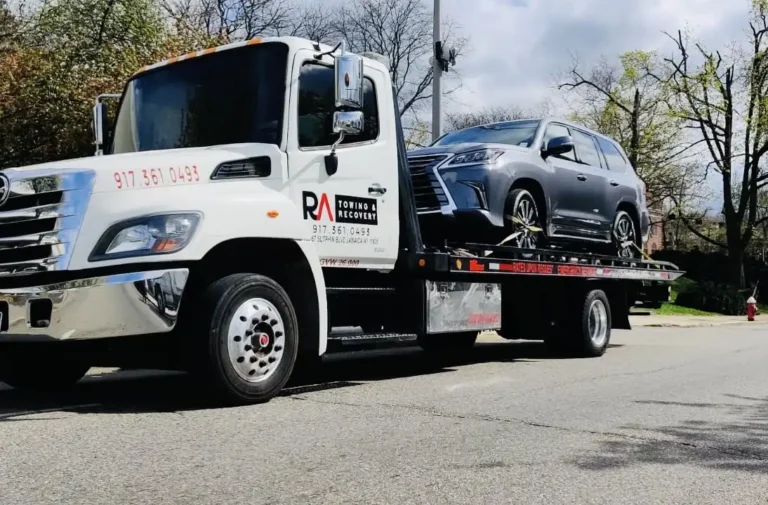
Do You Have to Pay a Tow Truck Up Front or After Towing?
Getting stuck on the road in NYC is stressful enough. Then the tow truck arrives and asks for payment, sometimes right away. That moment leaves many drivers wondering if this is normal, legal, or a red flag. The truth is, towing payment rules in New York City are not one-size-fits-all. They depend on the type of tow, who ordered it, and where your vehicle is taken. This guide explains when you may need to pay a tow truck up front, when you should not, what payment methods are allowed, and how to protect yourself from cash-only pressure across all five boroughs.
In New York City, you do not always have to pay a tow truck up front. Payment depends on whether the tow is consent or non-consent, who requested the service, and where the vehicle goes. Licensed NYC towing companies must explain charges, accept approved payment methods, and provide an itemized receipt.
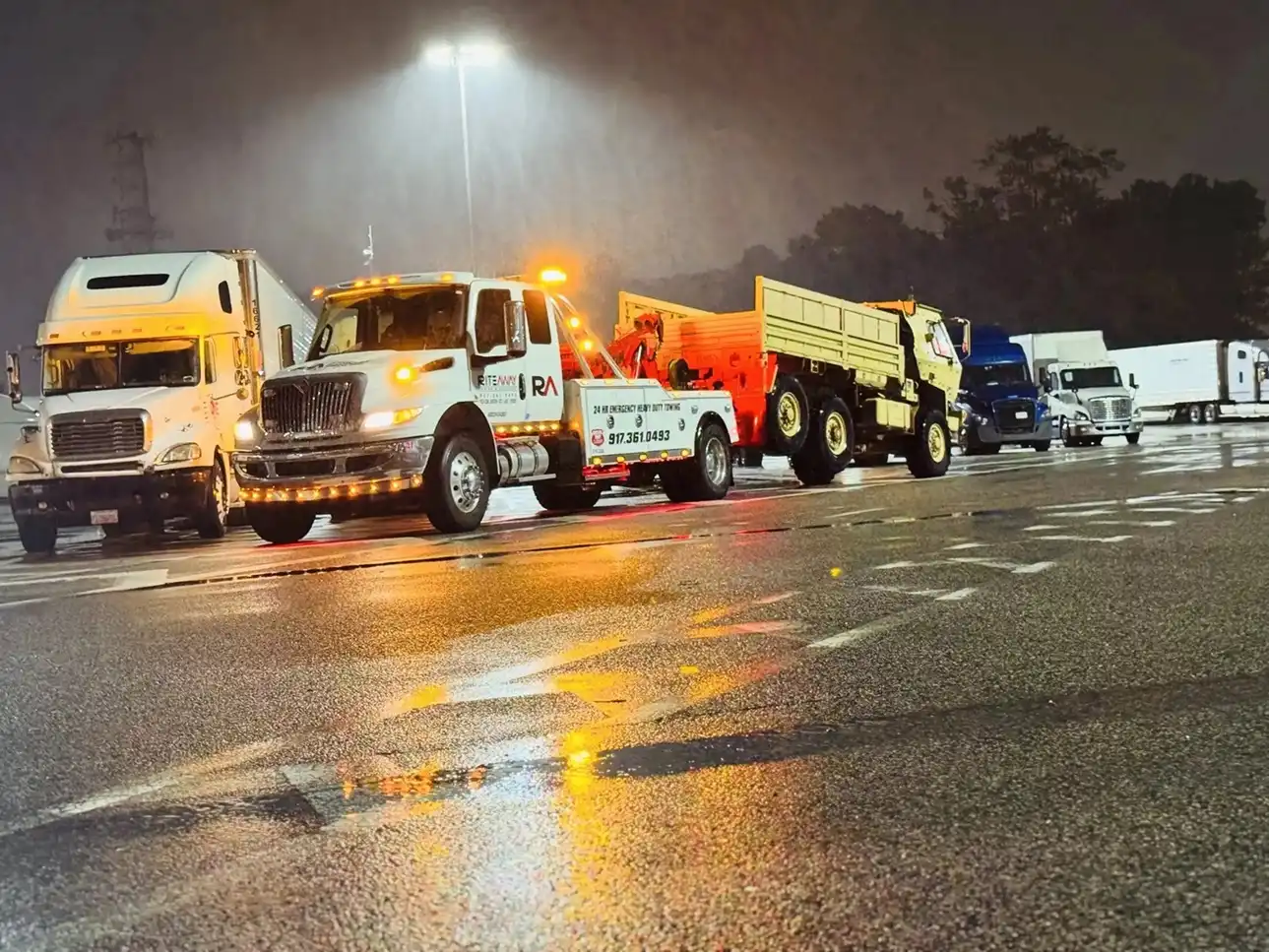
What Paying a Tow Truck Up Front Means and Why It Matters
When drivers ask, “Do you have to pay a tow truck up front?” they usually mean one of three things. Paying before the vehicle is hooked up, paying immediately after the tow is completed, or paying later at a tow yard or city pound before release. Each situation follows different towing payment rules in NYC.
This matters because payment timing affects your rights, your total cost, and your risk of being overcharged. In a consent tow, where you call a towing company yourself, payment is usually expected after the service is done, not before the truck touches your car. In non-consent towing, such as private property towing or a city-ordered tow, payment happens before the vehicle is released, not on the street.
Confusion around towing payment up front leads many drivers to assume that cash-only requests are standard or that urgency removes their options. Neither is true. Licensed tow trucks in New York City are required to explain towing payment methods, provide clear pricing, and issue an itemized receipt. Knowing this upfront helps you avoid towing scams, unexpected storage fees, and pressure tactics that often target stressed drivers.
Why Tow Truck Payment Rules Confuse Drivers in New York City
Tow truck payment confusion in NYC stems from a mix of strict local rules, stressful situations, and outdated online advice. Many drivers search for “do you have to pay a tow truck up front” after a breakdown or accident, when clear thinking is already tough. That is when myths spread fast.
One major reason is that towing payment rules change based on who ordered the tow. A consent tow, where you call a tow truck near you, follows different rules than a non-consent tow ordered by the city or a private property owner. Most drivers are never told about this difference, so every payment request feels suspicious.
Another issue is cash-only pressure. Some unlicensed or dishonest operators still ask for cash up front, which makes people think all towing companies work this way. In reality, licensed towing companies in New York City must follow consumer protection rules enforced by the NYC Department of Consumer and Worker Protection. These rules require clear pricing, accepted payment methods, and receipts.
Real-world scenarios add to the confusion. A driver stranded late at night may assume emergency towing always requires payment before service. Someone involved in an accident may believe that police-authorized towing requires them to pay on the spot. Drivers towed from private property often do not realize that payment is made at the tow yard, not on the roadside.
Online advice also causes problems. Many articles mix rules from different states, which do not apply to NYC towing regulations. Others fail to explain storage fees, drop fees, or how payment works at city tow pounds.
Understanding why these problems happen sets the stage for the most important part. Knowing exactly when you do and do not have to pay a tow truck up front in New York City, based on the type of tow and location.
When You Do and Do Not Have to Pay a Tow Truck Up Front in New York City
The question “Do you have to pay a tow truck up front?” has different answers in NYC because towing payment rules depend on the situation. Below is a clear breakdown based on the most common towing scenarios across all five boroughs.
Consent Towing: When You Call the Tow Truck
Consent towing means you contact a towing company yourself. This is common for breakdowns, dead batteries, flat tires, or vehicles that will not start.
In these cases, you usually do not have to pay a tow truck up front before service begins. Payment is often collected after the tow is completed or once the vehicle is safely delivered. Reputable towing companies quote prices before the hookup and accept approved payment methods, such as credit or debit cards.
A deposit is not standard for local towing in New York City. If a tow truck asks for payment before arrival or demands cash only, that should raise concerns. Always ask for the full price and confirm payment options before the truck hooks up your vehicle.
Non-Consent Towing, City or Private Property
Non-consent towing happens when you did not request the tow. This includes private property towing, blocked driveway towing, and some city-ordered tows.
In these situations, you do not pay the tow truck on the street. Payment is required before the vehicle is released from the tow yard or city pound. Fees may include the towing charge, storage fees, and any required release fees.
Many drivers mistake this for paying a tow truck up front, but the payment happens later at the facility, not during the tow itself. Accepted payment methods are regulated, and you are entitled to an itemized receipt.
Accident and Police-Authorized Towing
After an accident, police may arrange towing through an authorized program. When this happens, you do not pay the tow truck at the accident scene.
Payment takes place when you retrieve your vehicle from the tow yard. Costs and payment methods depend on the facility handling the vehicle. This process often confuses drivers because it feels urgent, but roadside payment is not required.
Emergency and 24 Hour Towing Situations
Emergency towing, late-night service, or urgent towing does not change your rights. Even during 24-hour towing situations, licensed tow trucks in New York City must explain charges and accepted payment methods.
Urgency does not justify cash-only requests or unclear pricing. If a company cannot explain when and how you will pay, it is best to pause and ask questions before service begins.
Now that you know when payment is required and when it is not, the next step is understanding exactly what to do when a tow truck asks for payment. This step-by-step process helps protect you in real time.
Step-by-Step: What to Do When a Tow Truck Asks for Payment
When a tow truck arrives and starts talking about payment, emotions run high. Following a simple process keeps you in control and helps you avoid overpaying or falling into a towing scam.
Step 1: Ask Who Ordered the Tow
Start by confirming whether this is a consent tow or a non-consent tow. Ask directly if you or someone else requested the service. This single question determines whether a towing payment is expected after service or at a tow yard later.
Step 2: Get the Total Price Before Hookup
Ask for the full towing cost before the truck touches your vehicle. This includes the base tow fee, mileage, after-hours charges, winching, and special equipment such as flatbed towing. Clear pricing upfront prevents surprise fees later.
Step 3: Confirm Accepted Payment Methods
Ask how you can pay and when you can pay. Licensed tow trucks in New York City usually accept credit cards or debit cards. Cash-only demands without explanation are a common red flag. If payment is required after the tow, confirm whether you will pay at drop-off or at the tow yard.
Step 4: Verify the Towing Company
Check the truck’s company name and ask for identification if needed. Legitimate towing companies do not rush this step. Taking a moment to verify details protects you, especially during emergency towing or late-night calls.
Step 5: Request an Itemized Receipt
Always request a written, itemized receipt. This should list the towing charge, mileage, storage fees, and any extras. A proper receipt protects you if you need to dispute charges later or submit costs to your insurance or roadside assistance provider.
Common Tow Truck Payment Mistakes to Avoid
Even careful drivers make mistakes during towing situations, especially when stress and urgency take over. Avoiding these common errors can save you money and prevent bigger problems later.
One major mistake is paying a tow truck before understanding who ordered the tow. Many people assume payment is always required up front, which is not true for consent towing in New York City. Always confirm the tow type before handing over any payment.
Another issue is agreeing to cash-only payment without a receipt. Licensed towing companies are expected to provide clear pricing and proof of payment. Paying cash without documentation makes it harder to dispute charges or report problems.
Paying over the phone before the truck arrives is also risky. This is one of the most common towing scam tactics. Reputable towing companies explain pricing first and collect payment after service or at the tow yard when appropriate.
Drivers also forget to ask about extra fees. Storage fees, after-hours charges, and special equipment costs can add up quickly. Asking about the total towing cost upfront helps avoid surprises.
Finally, many people rush because they feel unsafe or pressured. While safety matters, urgency does not remove your rights. Taking a few minutes to ask questions protects you and often leads to better service.
Expert Insights and Advanced Tips From NYC Towing Professionals
After more than a decade working in New York City towing, one pattern stands out. Most payment disputes happen because drivers are not given clear information early enough. Experienced towing professionals focus on transparency, not pressure.
Seasoned operators explain towing payment rules before the vehicle is hooked up. They confirm whether the tow is consent or non-consent, outline the full cost, and explain when payment is expected. This approach reduces arguments, delays, and chargebacks. It also builds trust, which matters in a city where drivers often worry about towing scams.
Another expert tip is to understand how insurance and roadside assistance fit in. Many drivers forget that insurance policies, credit card benefits, or auto clubs may cover towing costs. A professional tow operator will ask whether you have coverage and explain how reimbursement works, rather than pushing immediate payment.
Technology is also shaping the towing industry. More licensed towing companies now use mobile payment systems that accept credit cards on-site, reducing the need for cash-only transactions. Digital receipts and photo documentation are becoming more common, which protects both the driver and the towing company.
Finally, experienced NYC drivers know one simple rule. If a tow truck cannot clearly explain pricing and payment terms or provide a receipt, it is okay to pause and ask questions. Calm communication often leads to safer, smoother towing experiences.
FAQs
Do you have to pay a tow truck up front in New York City?
No, you do not always have to pay a tow truck up front in NYC. Payment depends on whether the tow is consent or non-consent and who ordered the service. Licensed towing companies must explain when payment is due before towing begins.
Can a tow truck legally demand cash only in NYC?
No, licensed tow trucks in NYC should not demand cash only without explanation. Reputable towing companies accept approved payment methods and provide an itemized receipt. Cash-only pressure is a common warning sign.
When do you actually have to pay for a tow in NYC?
You usually pay after a consent tow is completed or when retrieving your vehicle from a tow yard after a non-consent tow. You typically do not pay on the street for city or private property tows.
Is it safe to pay a tow truck before it arrives?
No, paying a tow truck before it arrives is risky. Legitimate towing companies confirm pricing first and collect payment after service or at the tow yard when required.
Do tow trucks in NYC accept credit or debit cards?
Most licensed tow trucks in NYC accept credit or debit cards. If a company refuses all card payments and pushes cash only, you should ask questions before agreeing to the tow.
Conclusion: Know the Rules Before You Pay
So, do you have to pay a tow truck up front in New York City? Sometimes yes, often no. The key is knowing the type of tow, who ordered it, and where your vehicle is going. Consent towing usually means payment after service. Non-consent towing means payment before release at the tow yard, not on the street.
The biggest takeaway is simple. Do not let urgency push you into paying without clear answers. Ask who ordered the tow, confirm the total price, check accepted payment methods, and always request an itemized receipt. Licensed towing companies explain these details without pressure.
If you need towing service in NYC, choose a provider that values transparency, safety, and clear communication. Knowing your rights ahead of time helps you avoid stress, reduce costs, and get back on the road with confidence.
Need a Tow Right Now? Call Rite Away Towing
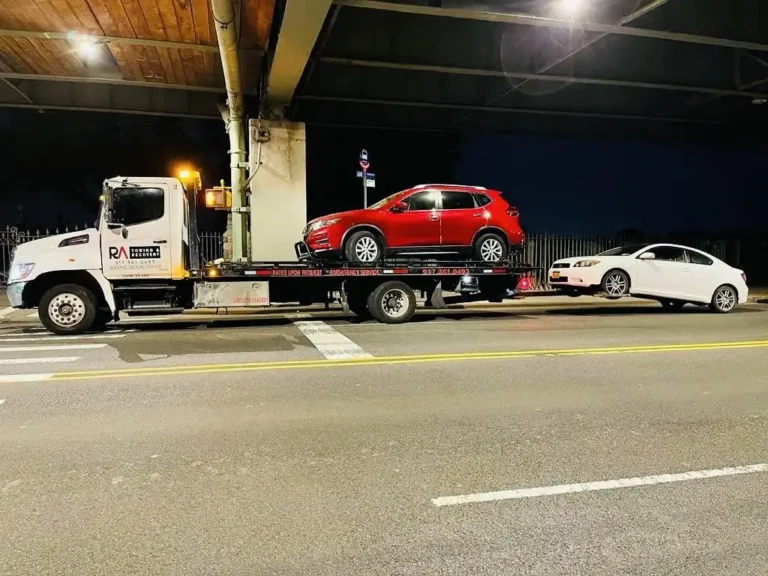
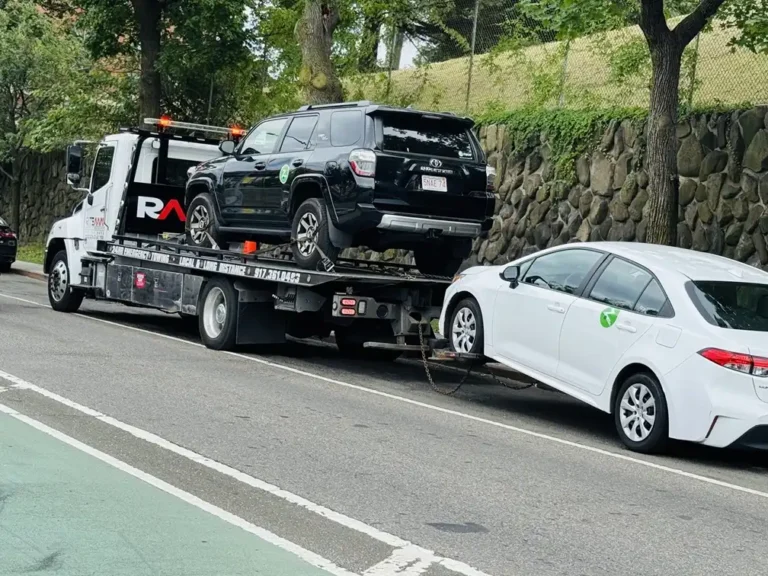
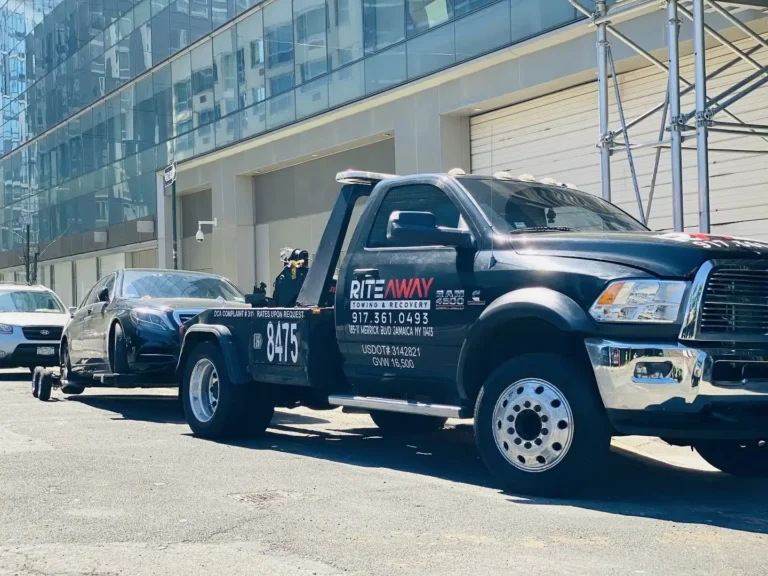
If you’re stuck, blocked in traffic, or your car won’t start, don’t wait. Rite Away Towing offers:
- Fast towing in all five boroughs
- Licensed and insured operators
- Upfront pricing, no hidden mileage or toll fees
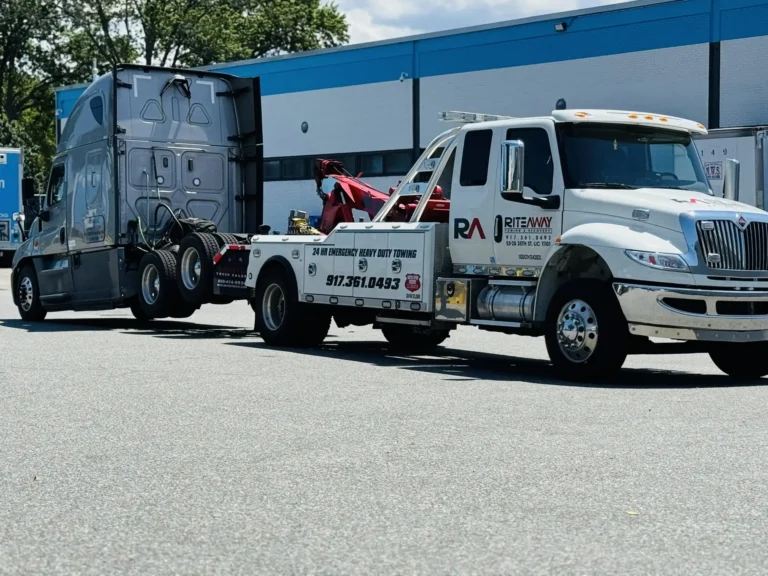
- 24/7 emergency towing, flatbed towing, heavy-duty towing, equipment transport
- Safe transport for SUVs, EVs, luxury, and low-clearance vehicles
- 📞 Call Now: 917-361-0493
- 📍 Serving Manhattan, Brooklyn, Queens, the Bronx, and Staten Island
- 💬 Or request a quote online within minutes